

Local residents and leaders celebrate early success of Ann Arbor’s A2Zero Bryant Neighborhood pilot program
Clean energy and sustainability investments are lowering energy costs, improving homes, and reducing climate pollution
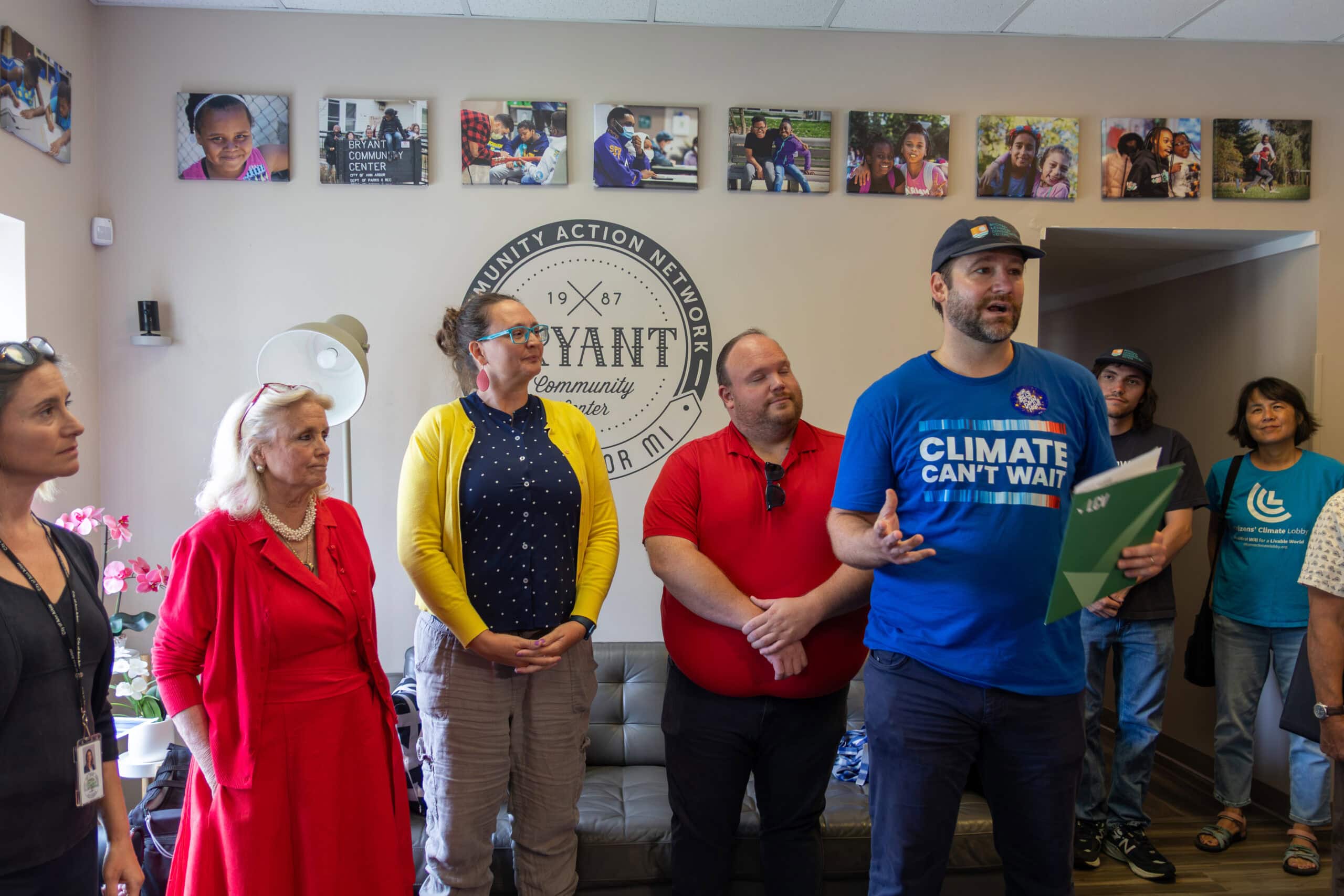
ANN ARBOR, Mich. — Local residents, city officials, clean energy experts and U.S. Rep. Debbie Dingell gathered Monday, Aug. 10, to celebrate early progress in Ann Arbor’s A2Zero pilot project in the historically underserved Bryant neighborhood.
Launched in 2021 through a collaboration among the City of Ann Arbor, Community Action Network and Bryant residents, the pilot is a pioneering effort to demonstrate how neighborhood-scale investments can make homes healthier, more affordable and more sustainable. The project aims to help make Bryant the nation’s first fully decarbonized low-income neighborhood.
The initiative is part of A2Zero, the City of Ann Arbor’s plan to achieve a just, equitable, community-wide transition to carbon neutrality by 2030.
The Aug. 10 event highlighted the program’s early successes and the potential for clean energy and home repair investments to deliver tangible benefits for residents. A walking tour through the neighborhood showcased improvements including weatherization, solar panels and battery storage systems installed on nearly 100 homes.
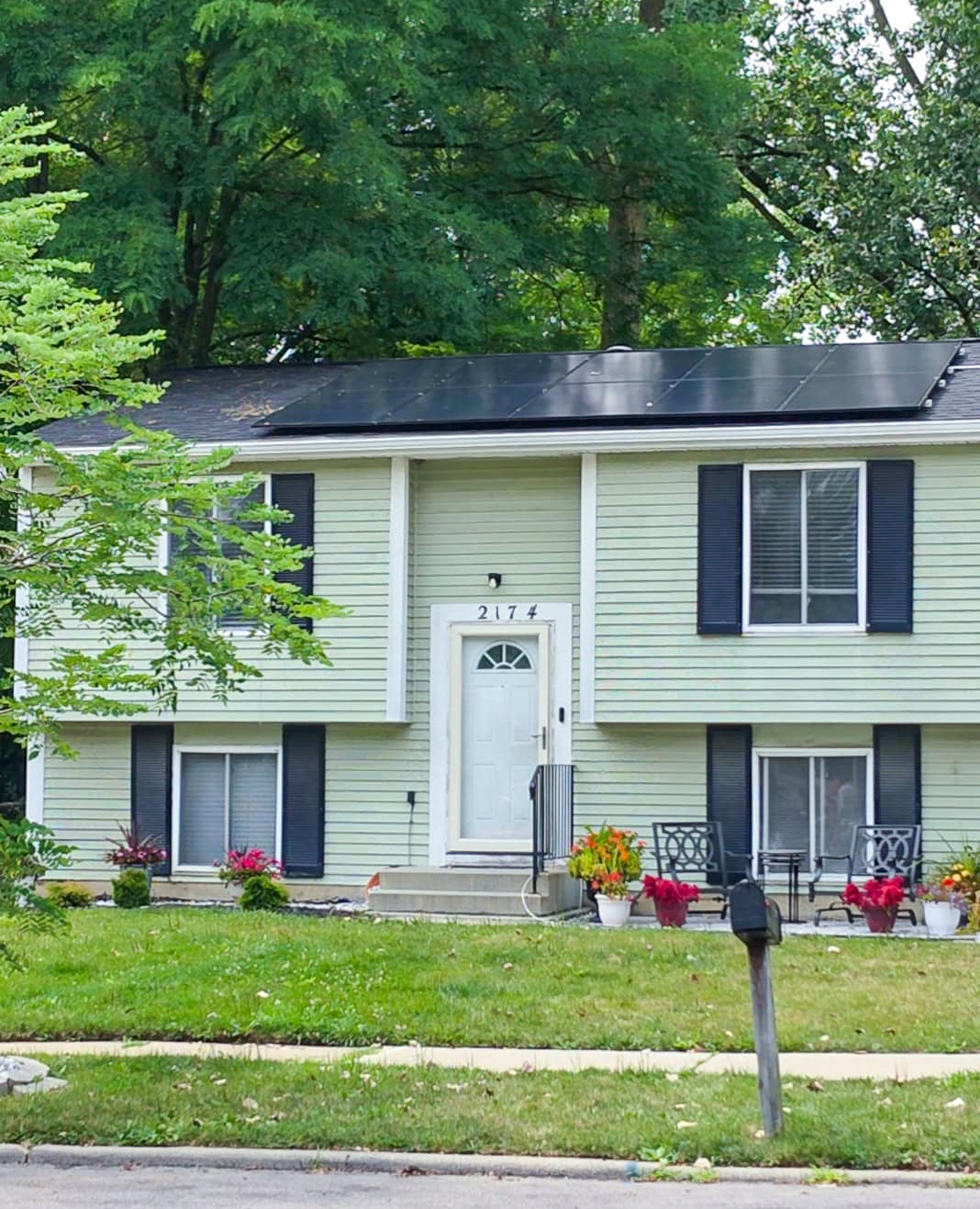
These investments are improving residents’ comfort, health and safety while helping lower energy costs and reduce climate pollution.
“It’s inspiring to see all of the work being done, and neighbors are really thankful to have this work done,” said Elaine Jordan, a Bryant neighborhood resident and program participant. “This is absolutely an opportunity to have improvements done to their homes that many residents need.”
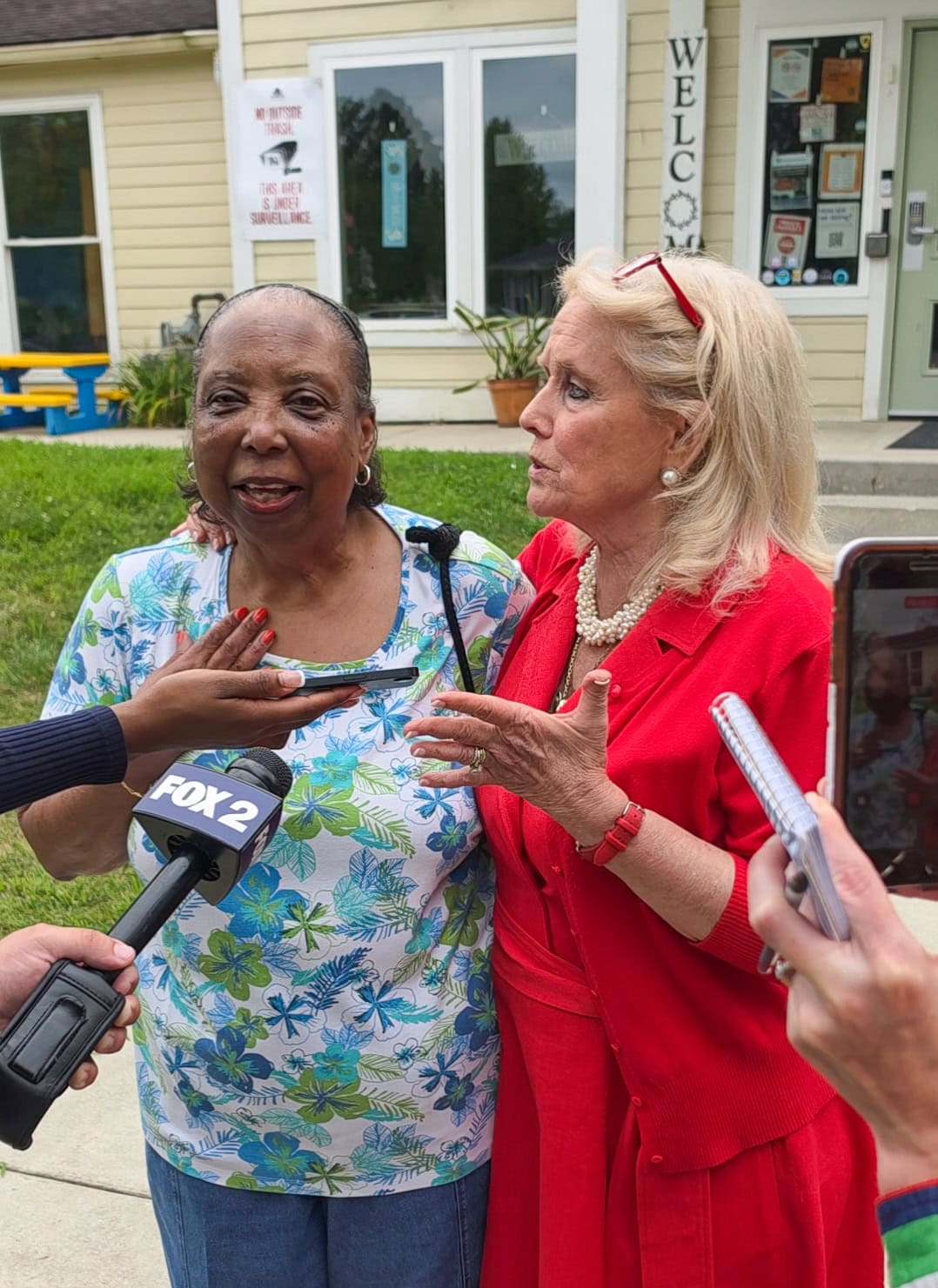
U.S. Rep. Debbie Dingell said the project demonstrates why continued public investment is needed to help communities prepare for the impacts of climate change while reducing household energy burdens.
“Climate change isn’t just a buzzword, it’s real. The weather pattern changes that we are experiencing are real changes that people need help dealing with, especially considering a lot of families in communities like Bryant and many others simply can’t afford to pay their utility bills,” said Dingell.
Ann Arbor officials emphasized that the project takes a comprehensive approach, addressing both energy use and longstanding housing challenges.
“In Ann Arbor, we believe climate action, housing and utility affordability, and quality of life go hand in hand,” said Missy Stults, Ph.D., Sustainability and Innovations Director for Ann Arbor’s Office of Sustainability and Innovations. “That’s why we are working in lockstep with residents and the Community Action Network to create one of the nation’s first carbon-neutral existing neighborhoods — right here in Bryant.”
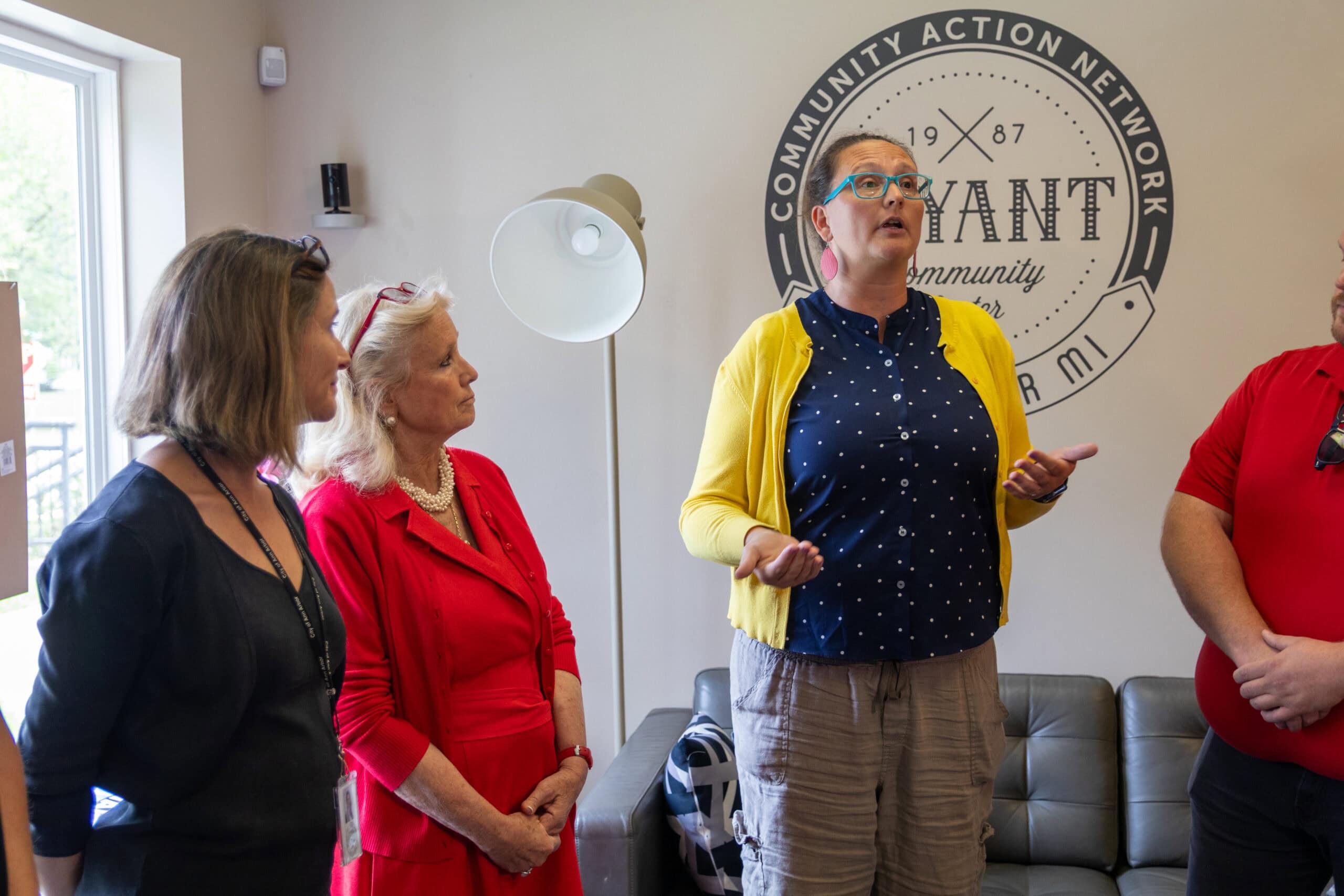
Stults said the work is centered on residents and includes everything from insulation and air sealing to roof replacements, drainage improvements, appliance upgrades and repairs to gas and water leaks.
“Climate action is for all, and Bryant is showing the U.S. what is possible when we work together to tackle the seemingly impossible,” Stults said.
Adopted on June 1, 2020, A2Zero focuses on equity, sustainability and transformation, advancing local climate action through renewable energy, energy efficiency and community engagement.
The Bryant pilot has been made possible through investments and partnerships at the local, state and federal levels. It also highlights the importance of collaboration among residents, the City of Ann Arbor, the Ann Arbor Sustainable Energy Utility and community organizations.
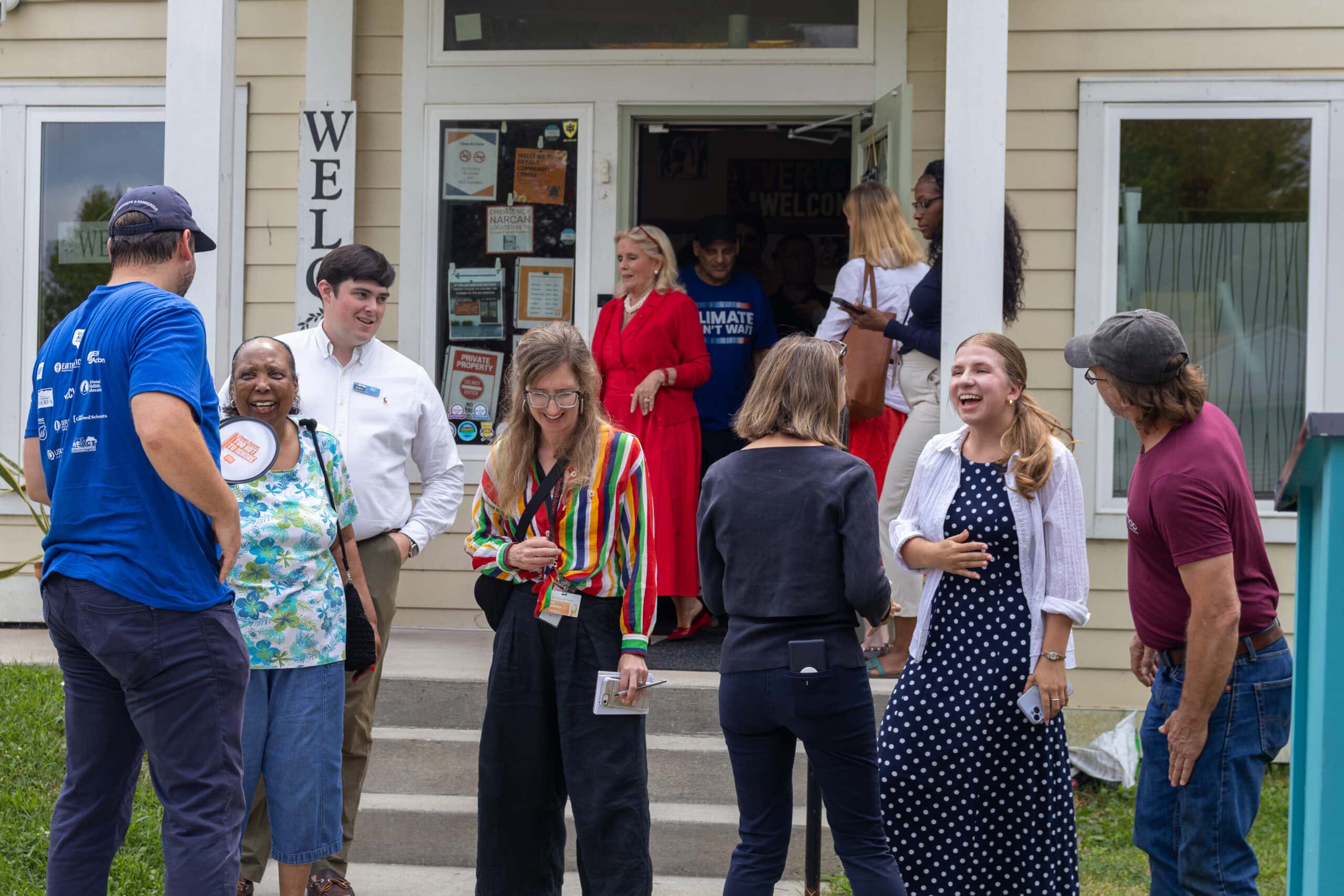
“Through our partnership with the City of Ann Arbor’s Office of Sustainability and Innovations, CAN has helped make homes in the Bryant neighborhood more affordable, healthy, comfortable and sustainable for generations to come,” said Derrick Miller, Executive Director of the Community Action Network.
By improving home energy efficiency and supporting electrification and renewable energy, Miller said the partnership is helping reduce household energy burdens, create more resilient homes and move the community toward a cleaner and more sustainable future.
Community Action Network, an official A2Zero collaborator and partner with the city’s Office of Sustainability and Innovations, has also supported Ann Arbor’s 2030 carbon-neutrality goals through environmental justice initiatives, sustainable neighborhood programming and the operation of Ann Arbor’s first solar-powered resilience hub at the Northside Community Center.
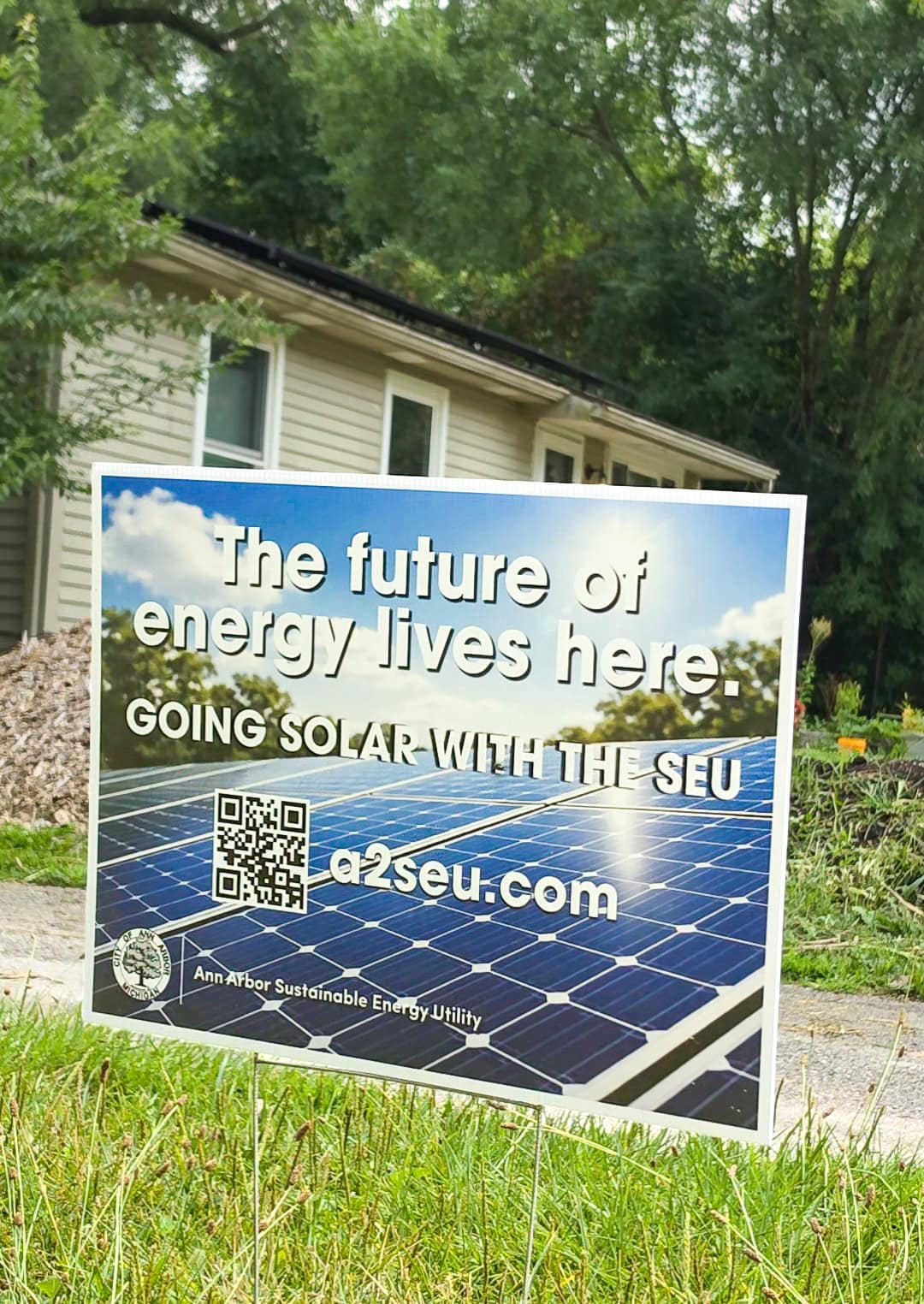
The city is also expanding the work through its recently launched Sustainable Energy Utility, which has begun providing service in the Bryant neighborhood.
“Ann Arbor is excited to have launched our new Sustainable Energy Utility with service in the Bryant neighborhood,” said Shoshannah Lenski, Executive Director of the Ann Arbor Sustainable Energy Utility. “Participants receiving solar energy will save money on utility bills, help fight climate change, and enjoy the safety and comfort of whole-home backup power during grid outages.”
Lenski said the underlying technology is proven, but the service model designed to make those benefits broadly accessible is new.
“That’s why investment and partnership is critical at this stage: to demonstrate and help scale these benefits to all,” she said.
The Ann Arbor Sustainable Energy Utility is an optional, first-of-its-kind municipal utility designed to provide 100% local, renewable energy.
Organizers said the Bryant pilot also underscores the stakes of continued federal and state investment in programs that lower energy costs and help families make needed home repairs.
“Clean energy investments are delivering real benefits today, and communities across Michigan need continued investment, not rollbacks,” said Bentley Johnson, Federal Government Affairs Director for the Michigan League of Conservation Voters, which helped organize Monday’s event.
“Energy bills are at record highs, and this summer’s extreme heat and severe weather are pushing costs even further out of reach. For Michigan families facing an impossible choice between paying the electric bill or putting food on the table, projects that weatherize homes and install solar panels can be a lifesaver.”
Johnson added that policymakers should support investments that make energy more affordable while reducing pollution and strengthening communities against increasingly extreme weather.
More about the program
The Bryant neighborhood program continues to deploy energy upgrades and critical home repairs supported by local, state, federal and philanthropic funding.
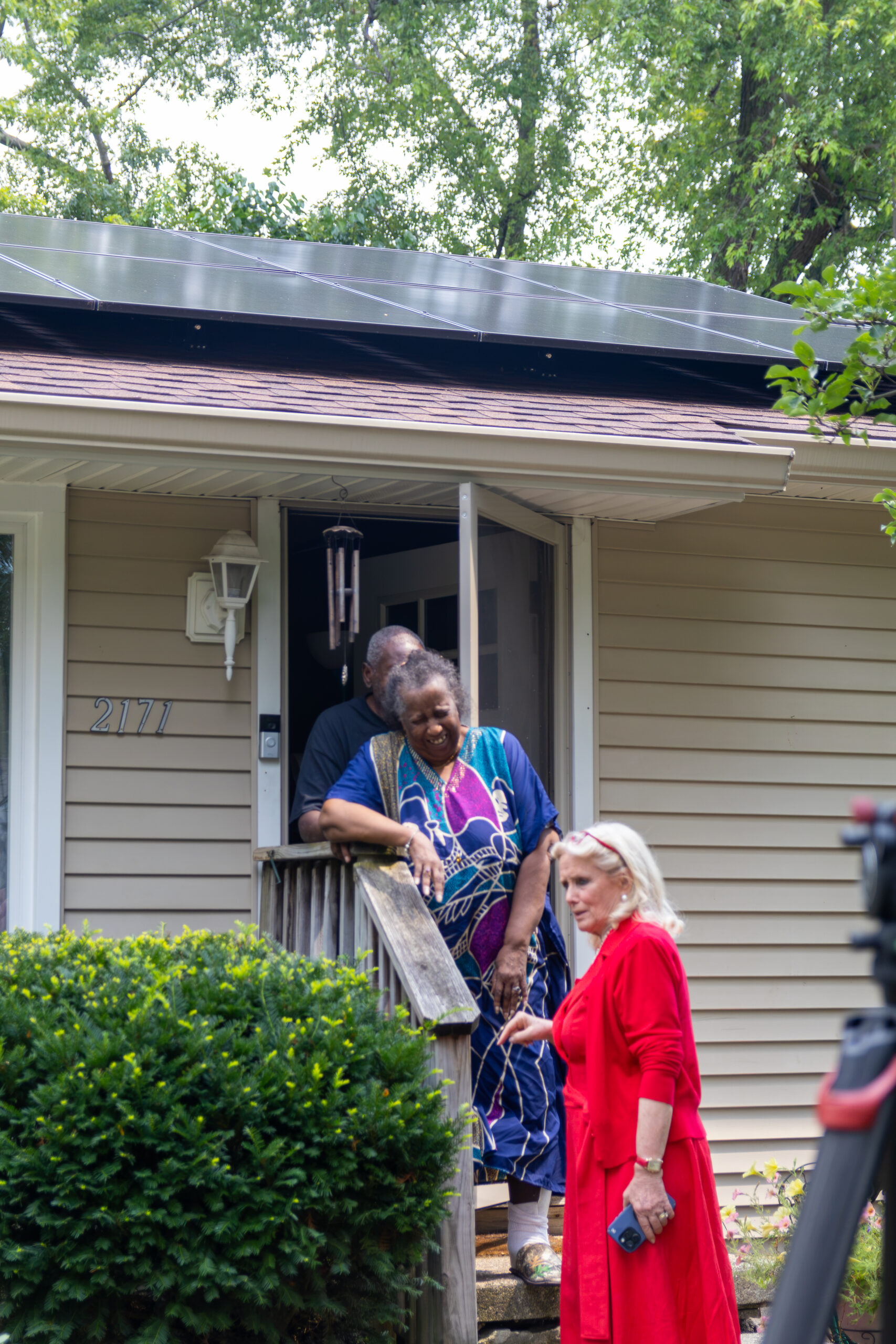
This spring, the program expanded as the City of Ann Arbor began installing solar panels paired with battery storage systems to provide residents with cleaner, more reliable and affordable power.
A $10 million grant from the U.S. Department of Energy will also support the development of a community geothermal heating and cooling system serving up to 100 homes in the neighborhood. Rep. Dingell expressed her support for the project in a 2024 letter to the Department of Energy.